Interior Design Looks Different in Real Homes Than in Photos
Interior design looks different in real homes because real spaces don’t behave like styled photos or staged interiors. What feels balanced, minimal, and calm in images can feel busy, darker, or less defined once people actually live in the space.
This doesn’t mean the design was wrong. It means the environment is real.
Understanding why interior design looks different in real homes helps homeowners make smarter layout and styling decisions that actually work long-term.
Interior Design Looks Different in Real Homes Because Photos Are Controlled
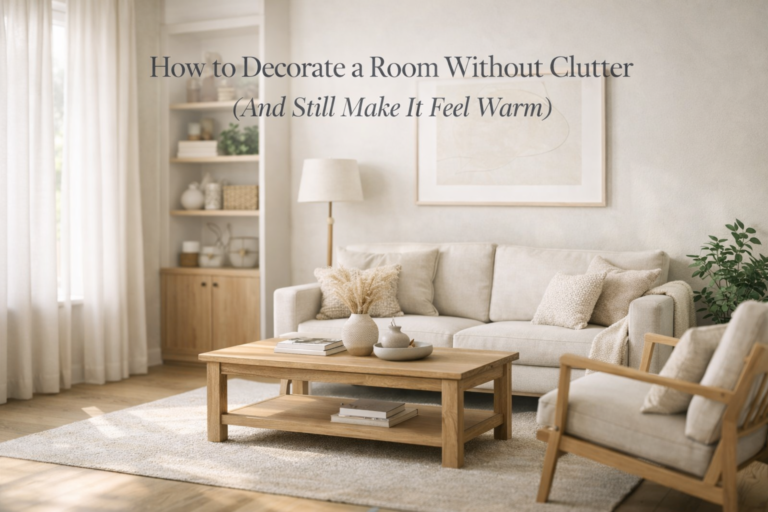
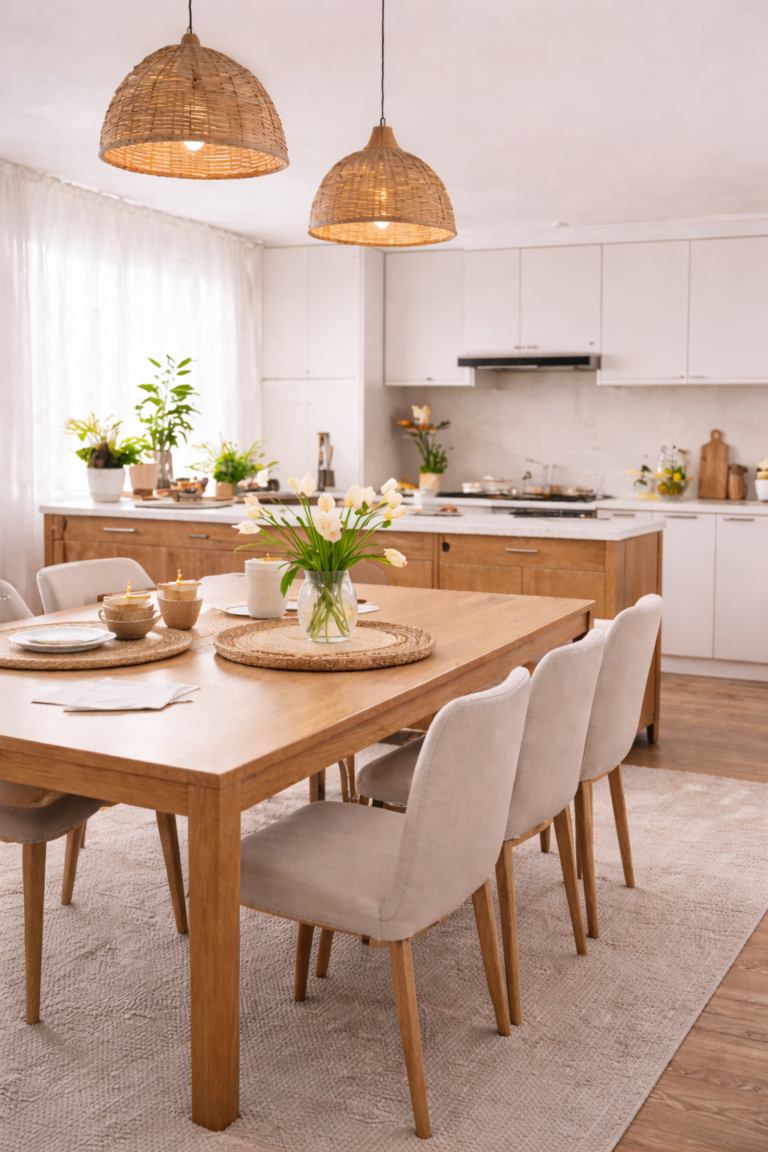
Interior design photos are carefully constructed:
- Perfect camera angles
- Balanced natural and artificial lighting
- Limited visual noise
In real homes, none of these factors are fixed. Movement, changing daylight, and everyday objects all affect perception. Because of this, interior design looks different in real homes than it does in magazines or online inspiration.
This is similar to how furniture itself behaves differently once it leaves a showroom and enters a lived-in space, where scale and light immediately change the experience.
Real Layouts Disrupt Visual Balance
Interior design concepts often assume:
- Clear sightlines
- Symmetry
- Minimal obstruction
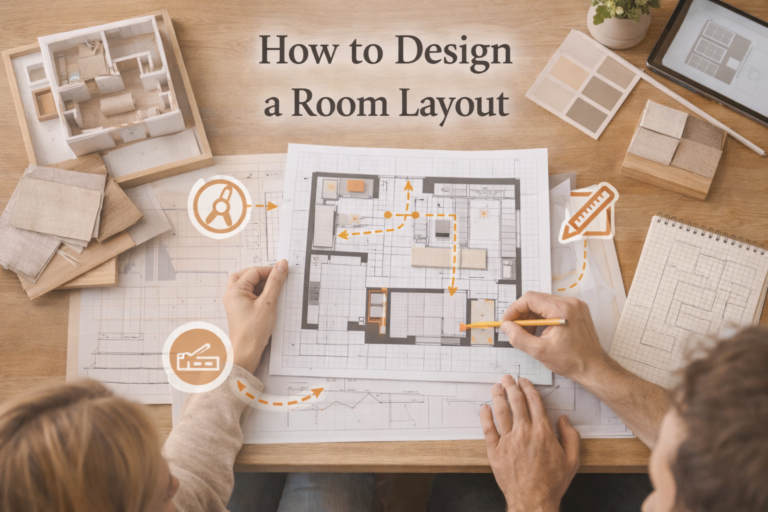
Real homes rarely follow ideal layouts. Doors, windows, radiators, and walkways interrupt visual flow. As a result, interior design looks different in real homes because the room must function, not just look good.
Design decisions that work beautifully in theory often need adjustment once daily movement is introduced.
Daily Life Changes the Design Experience
Interior design photos show rooms at rest. Real homes are active.
Daily use introduces:
- Personal items
- Wear patterns
- Shifting furniture positions
Over time, the space evolves. This is one of the main reasons interior design looks different in real homes even when the original design plan is followed closely.
Design that adapts well to daily life tends to feel better than design that only looks good when untouched.
Why Interior Design Adapts in Real Homes
Good interior design isn’t static. It responds to people.
When interior design looks different in real homes, it’s usually because the space is adjusting to real behavior, routines, and comfort needs. This adaptation is not failure — it’s success over time.
Future posts will explore how specific furniture choices and room layouts influence this transition from concept to reality.
Conclusion
Interior design inspiration shows ideals. Real homes show outcomes.
When interior design looks different in real homes, it’s because the design is interacting with real light, real layouts, and real life. Understanding this gap makes it easier to design spaces that feel right — not just look right.
Why does interior design look different in real homes than in photos?
Interior design looks different in real homes because photos are staged, controlled, and free of daily activity.
Is it normal for interior design to feel different once you move in?
Yes. Real use, movement, and personal items naturally change how a space feels.
Can interior design plans be adjusted after moving in?
Absolutely. Most designs improve when adapted to how the space is actually used.
How can I design interiors that work better in real homes?
Focus on flexibility, realistic layouts, and how the space supports daily routines.