Furniture Proportions in Real Homes Often Feel Different Than Expected
Furniture proportions in real homes often feel very different from what people expect when they first bring a piece inside. Even when furniture fits the room on paper, its visual weight, height, and depth can suddenly feel off once placed in a lived-in space.
This is one of the most common reasons people feel unsure about furniture choices – not because the furniture is wrong, but because proportions behave differently in real environments.
Understanding how furniture proportions in real homes actually work helps prevent common layout mistakes and makes spaces feel more balanced and comfortable over time.
Furniture Proportions in Real Homes Are Affected by Visual Scale
In showrooms, furniture is displayed with generous spacing and minimal visual competition. This creates a sense of balance that makes proportions feel natural and intentional.
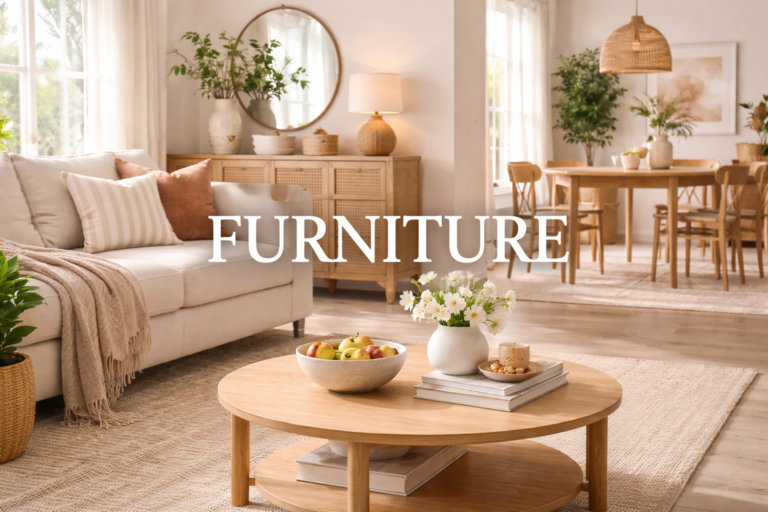
In real homes, furniture must coexist with walls, windows, doors, and other pieces. Visual scale becomes just as important as physical measurements. A sofa that technically fits may still dominate the room if its depth, arm width, or back height competes with surrounding elements.
Because of this, furniture proportions in real homes are perceived relative to everything around them, not in isolation.
This is closely connected to why furniture often feels different once it leaves the showroom environment and enters a lived-in space.
Ceiling Height and Wall Length Change Perception
Furniture proportions don’t exist independently they react to architectural features.
Lower ceilings can make tall cabinets feel heavier. Short wall spans can make long furniture feel compressed. Even the distance between windows can influence how balanced a piece feels in the room.
This is why furniture proportions in real homes can feel misjudged even when floor space is adequate. Vertical and horizontal relationships matter just as much as square footage.
Interior design layouts shown in photos often assume ideal proportions that real homes simply don’t have.
👉 (See also: Why Interior Design Looks Different in Real Homes Than in Photos)
Daily Use Reveals Proportion Issues Over Time
Furniture proportions don’t fully reveal themselves on day one.
As people live with a piece, they notice:
- How easily they move around it
- Whether seating feels too deep or too shallow
- How storage pieces affect visual flow
Over time, furniture proportions in real homes become more noticeable through daily interaction. Pieces that initially looked fine may begin to feel oversized, undersized, or awkwardly placed once routines settle in.
This doesn’t mean the furniture is poor quality it simply means proportion issues are experiential, not theoretical.
Why Smaller Furniture Often Works Better Than Expected
One of the most consistent findings in real homes is that slightly smaller furniture often feels more comfortable long-term.
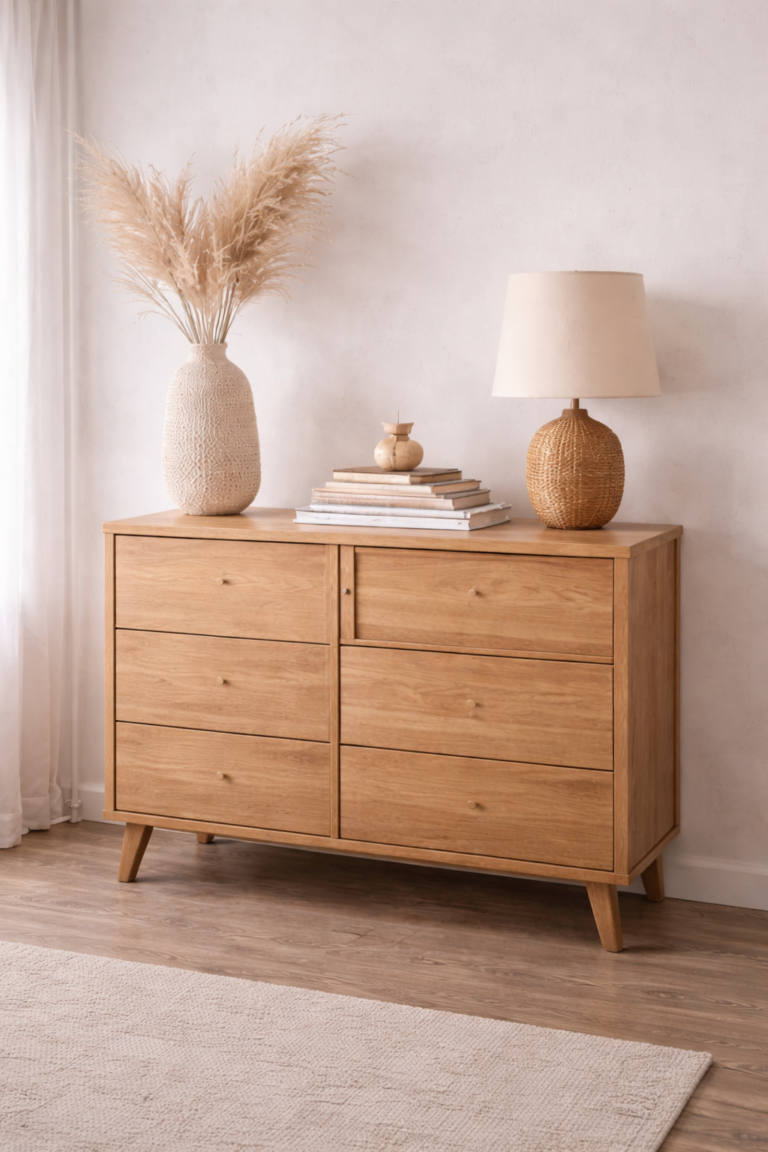
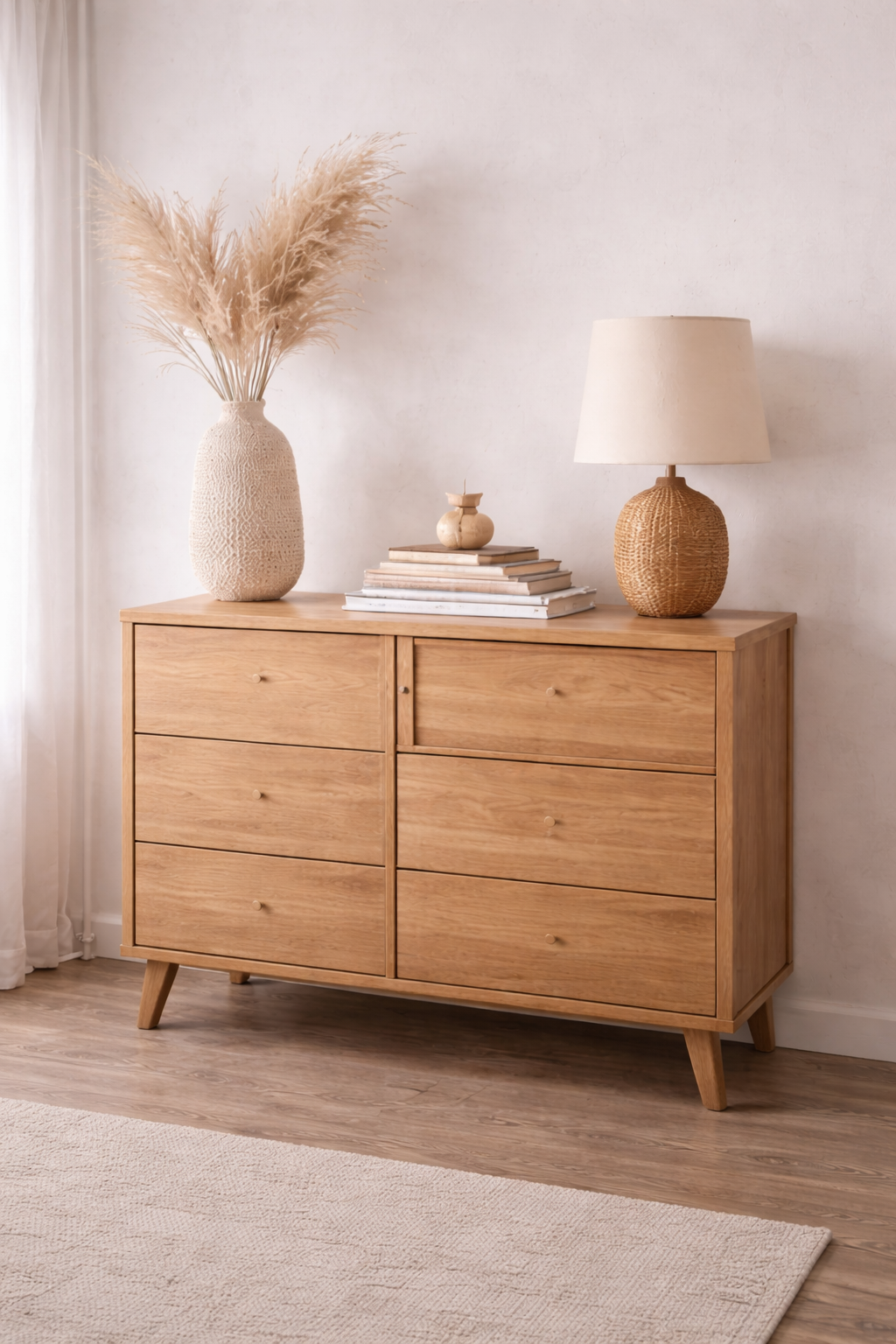
Furniture with slimmer profiles, raised legs, or reduced depth allows spaces to breathe. This doesn’t reduce comfort it improves visual balance and flexibility.
Because furniture proportions in real homes are influenced by movement and flow, lighter-scale furniture tends to adapt better to changing layouts and evolving needs.
Conclusion
Furniture proportions aren’t just about measurements they’re about relationships.
When furniture proportions in real homes feel off, it’s usually because the piece is interacting with architecture, lighting, and daily movement in ways that aren’t obvious in a showroom or catalog.
Understanding proportion as a living concept helps create spaces that feel balanced, usable, and comfortable over time.
What does furniture proportion mean in real homes?
Furniture proportion refers to how a piece relates visually and physically to the room, other furniture, and architectural elements.
Why does furniture feel too big even when it fits the room?
Because visual scale, ceiling height, and surrounding elements affect perception beyond basic measurements.
Can furniture proportions be adjusted after placement?
Yes. Changing layout, spacing, or pairing with lighter elements can improve balance.
Is smaller furniture always better for real homes?
Not always, but slightly smaller-scale furniture often adapts better to everyday living and changing needs.