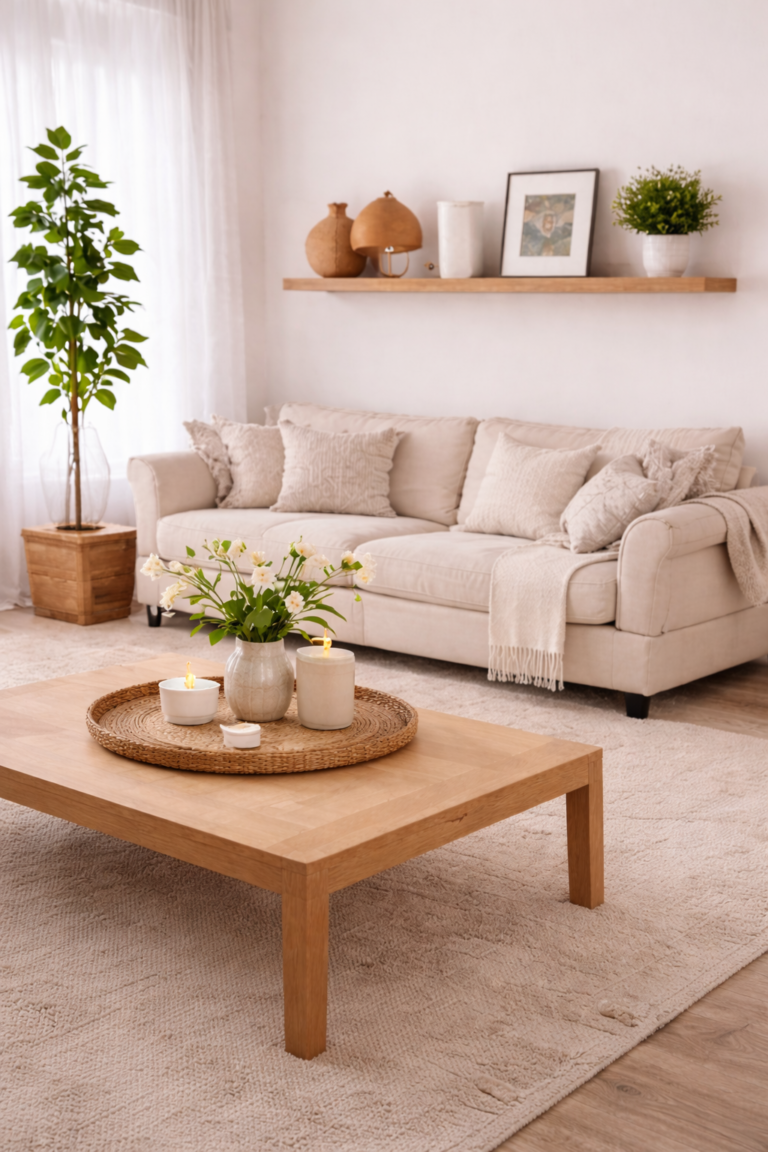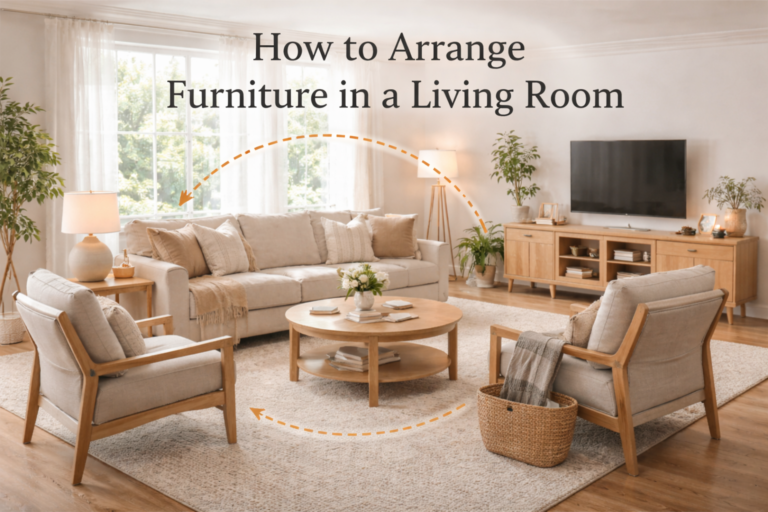
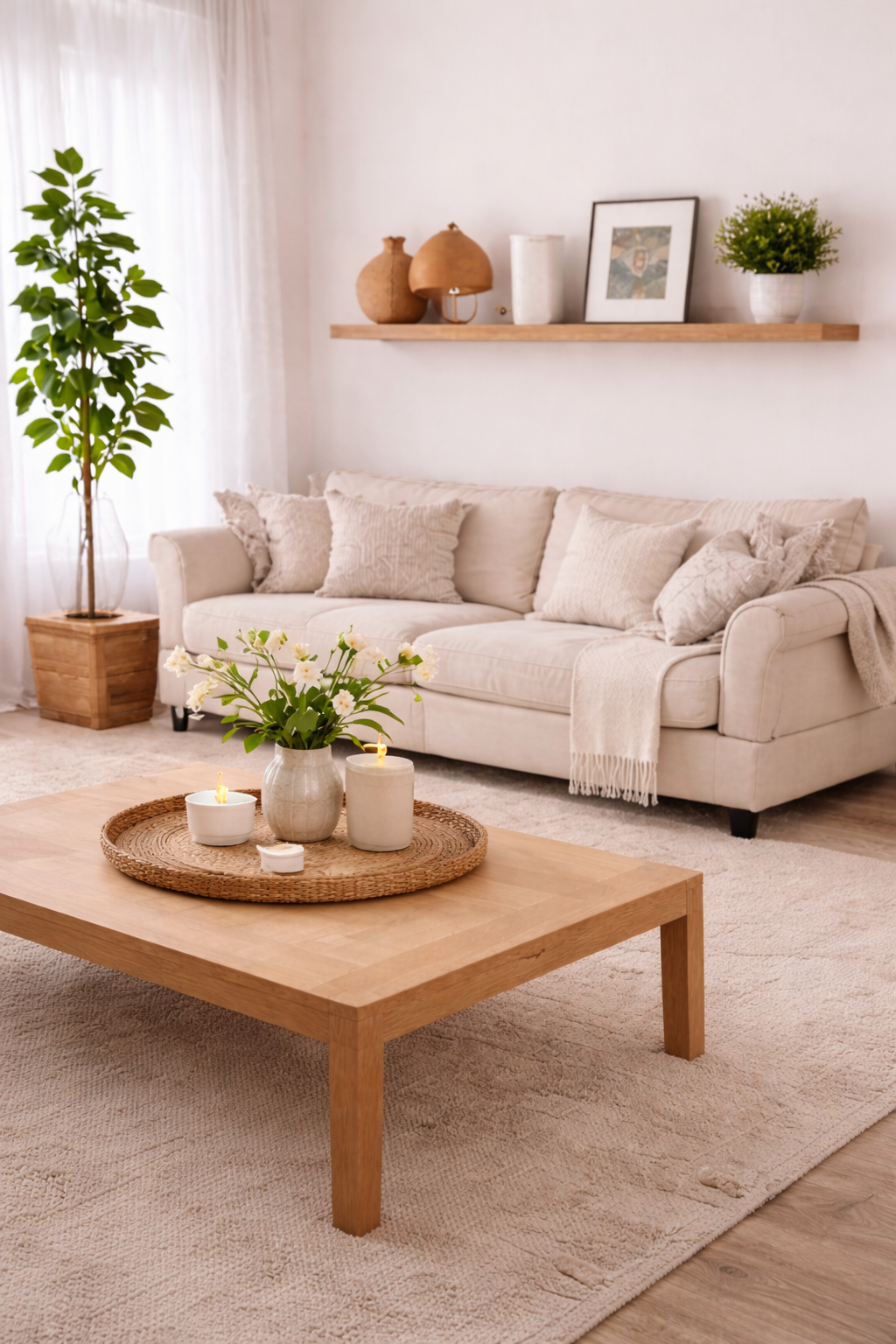
How Furniture Ages in Real Homes Is Very Different From Showroom Expectations
How furniture ages in real homes is rarely discussed at the moment of purchase, yet it becomes one of the most noticeable aspects of living with furniture over time. In showrooms, furniture appears static and preserved, but real homes introduce daily use, environmental exposure, and subtle changes that reshape how a piece looks and feels.
These changes are not defects. They are the natural result of furniture becoming part of everyday life.
Understanding how furniture ages in real homes helps set realistic expectations and reduces frustration when furniture begins to look different months or years after installation.
How Furniture Ages in Real Homes Through Daily Contact
Furniture in real homes is constantly touched, moved, and used. Cushions compress, armrests soften, and surfaces develop subtle variations in texture.
This daily interaction reveals whether furniture materials are resilient or delicate. Pieces designed for real use tend to age more gracefully, while furniture built mainly for visual impact often shows wear more quickly.
Because of this, how furniture ages in real homes is closely tied to how it supports everyday routines rather than how it looked on day one.
This process often becomes clearer when furniture is already well integrated into the space.
Related reading: https://furnituretraditions.net/furniture-in-real-homes
Light and Environment Shape Furniture Aging
Sunlight plays a major role in furniture aging. Wood can darken or warm in tone, fabrics can fade unevenly, and finishes may change depending on exposure.
Temperature and humidity also matter. In real homes, these conditions fluctuate naturally, especially across seasons. Over time, how furniture ages in real homes reflects these environmental patterns rather than controlled showroom conditions.
This explains why two identical pieces can age differently in different rooms of the same house.
Why Furniture Often Looks Better With Time
While initial changes can feel unsettling, many people find that furniture becomes more comfortable and visually balanced as it ages.
Edges soften, materials relax, and the piece begins to feel integrated rather than staged. This is one of the most overlooked benefits of understanding how furniture ages in real homes – aging can enhance authenticity and comfort.
Furniture that adapts well over time often becomes more valued than furniture that remains visually rigid.
Conclusion
Furniture is meant to live, not remain untouched.
When you understand how furniture ages in real homes, changes become expected rather than surprising. Aging is not a flaw – it’s evidence that furniture is fulfilling its purpose.
How long does it take for furniture to show aging?
Small changes often appear within the first few months of daily use.
Is furniture aging a sign of poor quality?
Not necessarily. All furniture ages; quality affects how gracefully it does so.
Can aging be reduced in real homes?
Yes, through rotation, light control, and basic care — but aging can’t be fully avoided.