
How Furniture Shapes Daily Routines in Modern Homes
Furniture is rarely chosen with routines in mind. Most decisions are driven by appearance, size, and how well a piece fits a room visually. Yet once a home is lived in, it becomes clear that furniture does far more than fill space. It quietly directs how people move, where they pause, how they sit, and how daily activities unfold.
How furniture shapes daily routines is not immediately obvious. It emerges gradually, through repetition and habit. Over time, furniture becomes part of a behavioral system, influencing actions without drawing attention to itself. Some pieces support this system naturally, while others create friction that slowly alters how spaces are used.
Understanding this relationship offers insight into why certain homes feel intuitive and comfortable, while others require constant adjustment.
Daily Routines Are Built Around Objects, Not Plans
Floor plans and layouts suggest idealized movement. Real routines form around objects. Chairs define where people sit, tables determine where tasks happen, and storage dictates what stays visible or hidden.
Over time, how furniture shapes daily routines becomes clear when people begin navigating spaces without conscious thought. Paths develop, preferred seating emerges, and surfaces acquire specific functions. These behaviors are rarely planned, yet they repeat consistently.
Furniture that aligns with these emerging routines feels natural. Furniture that conflicts with them is gradually avoided, repositioned, or replaced.
This is why routine compatibility often matters more than initial layout logic.
Related reading:
https://furnituretraditions.net/furniture-usability-over-time
Movement Patterns Reveal Furniture Influence
Movement is one of the clearest indicators of how furniture affects routines. People instinctively choose paths that feel efficient and unobstructed. Furniture that interrupts these paths subtly alters behavior.
A chair that is difficult to pull out changes how often it is used. A table that narrows circulation becomes a surface people avoid. Storage placed out of reach encourages clutter elsewhere.
These adjustments are rarely conscious, but they accumulate. How furniture shapes daily routines is often revealed by what people stop doing rather than what they start.
Furniture that supports smooth movement fades into the background. Furniture that resists it becomes noticeable.
Seating Determines Where Time Is Spent
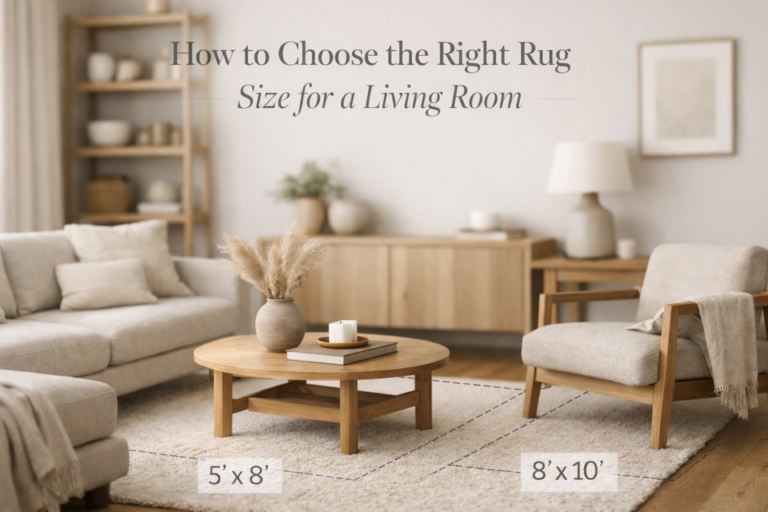
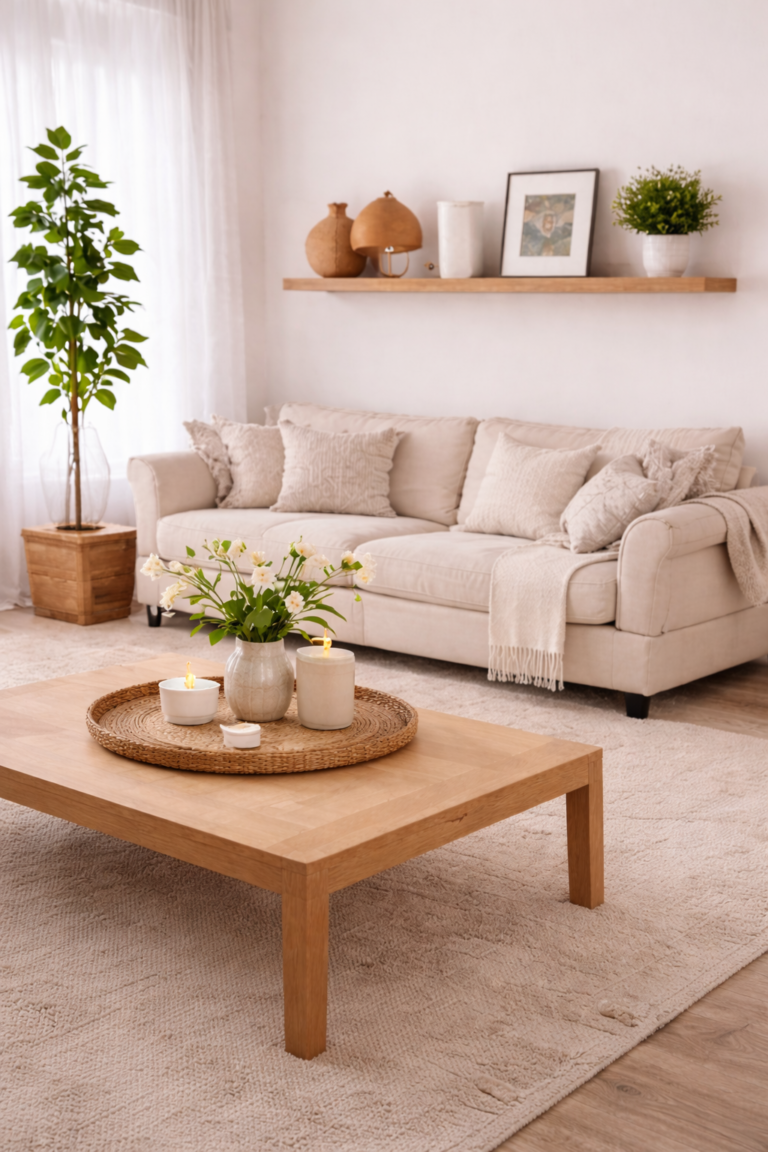
Seating plays a central role in daily routines. Where people sit often determines how long they stay, what activities they engage in, and how spaces are perceived.
Comfortable, well-proportioned seating encourages lingering. Poorly supported seating shortens interaction and redirects activity elsewhere. Over time, rooms with inviting seating become central hubs, while others are used only briefly.
This is a critical aspect of how furniture shapes daily routines. Seating does not simply offer a place to rest; it organizes social and functional behavior.
Scale and support strongly influence these outcomes.
Related reading:
https://furnituretraditions.net/furniture-proportions-in-real-homes
Surfaces Become Behavioral Anchors
Tables, counters, and horizontal surfaces quietly organize daily life. They collect objects, host tasks, and signal where activity should happen.
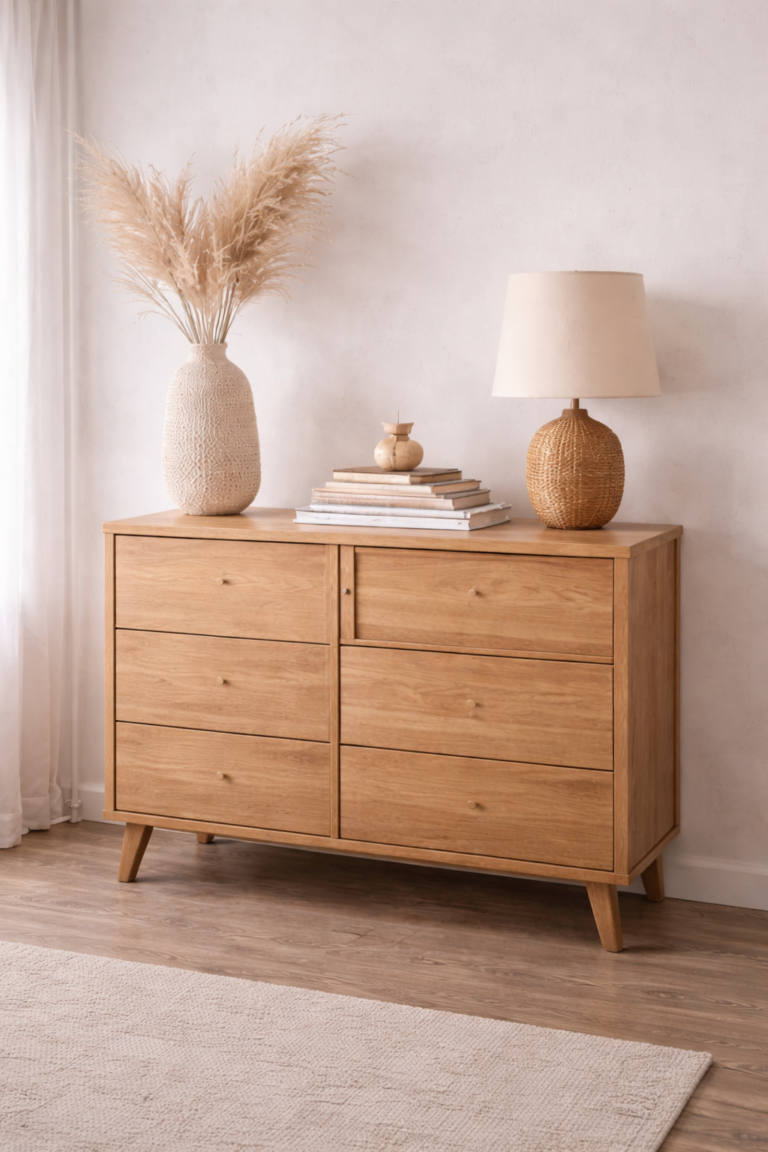
A dining table may become a workspace. A sideboard may turn into a daily drop zone. These shifts illustrate how furniture shapes daily routines through convenience rather than intention.
Surfaces that are accessible, stable, and well-placed invite use. Those that feel awkward or constrained are bypassed. Over time, this determines where work happens, where items accumulate, and how order is maintained.
Furniture that anticipates this behavior supports routines without imposing rules.
Storage Influences Habit Formation
Storage does more than hold objects. It influences habits.
When storage is easy to access, items return to their place. When it is inconvenient, objects remain visible. This dynamic has a direct effect on daily routines, shaping how spaces feel and function.
Understanding how furniture shapes daily routines requires recognizing storage as behavioral infrastructure. Cabinets, shelves, and drawers guide decisions about what stays organized and what does not.
Well-designed storage supports consistency. Poorly placed storage encourages improvisation, which often leads to visual and functional clutter.
Furniture Encourages or Discourages Multitasking
Modern routines often involve multitasking. Furniture can either support this reality or resist it.
A table that accommodates both dining and work supports flexible routines. Seating that allows shifting postures accommodates varied activities. Furniture that enforces a single function often feels restrictive over time.
This adaptability is a defining factor in how furniture shapes daily routines. Furniture that allows multiple uses adapts to changing needs without requiring constant rearrangement.
Flexibility does not mean lack of structure. It means allowing routines to evolve naturally.
Repetition Turns Furniture Into Habit
Furniture becomes influential through repetition. Daily use reinforces behavior until it becomes automatic.
People sit in the same spot, place objects in the same location, and follow the same paths. Over time, furniture becomes embedded in these habits.
This is why how furniture shapes daily routines is often overlooked. Once routines stabilize, furniture feels invisible. Yet its influence remains constant.
Furniture that supports positive habits quietly improves daily experience. Furniture that undermines them introduces friction that accumulates gradually.
Why Furniture That Feels Neutral Often Works Best
Highly expressive furniture draws attention. Neutral furniture supports behavior.
This does not mean furniture should be bland. It means that furniture which does not demand constant negotiation allows routines to flow uninterrupted.
In the context of how furniture shapes daily routines, neutrality often enables longevity. Furniture that adapts without imposing itself tends to remain relevant as routines change.
Long-Term Routine Support Determines Satisfaction
Satisfaction with furniture rarely comes from novelty. It comes from reliability.
Furniture that supports daily routines consistently earns trust. Over time, these pieces become essential, not because they stand out, but because they work.
This long-term support is central to how furniture shapes daily routines and why certain homes feel effortless to live in.
Conclusion
Furniture does not simply occupy space. It organizes behavior.
Understanding how furniture shapes daily routines reveals why comfort, placement, and adaptability matter more than initial impressions. Furniture that supports routines quietly enhances daily life, becoming part of the rhythm of a home rather than a visual statement.
FAQ
What does it mean that furniture shapes daily routines?
It means furniture influences movement, habits, and repeated behavior through its placement, comfort, and usability.
Why do routines change after furniture is added?
Because furniture introduces new constraints and opportunities that reshape how spaces are used.
Can furniture improve daily routines?
Yes. Well-designed furniture supports consistency, comfort, and ease of use.
Does furniture influence habits unconsciously?
Often yes. Repetition turns furniture interaction into habit over time.