Furniture Usability Over Time: What Matters After the First Months
Most furniture decisions are made quickly. A piece looks right, fits the measurements, and matches the style of the room. But furniture is not truly evaluated at the moment of purchase. Its real value becomes clear only after weeks and months of everyday use.
Furniture usability over time is shaped by how people live, move, sit, store, and adapt their spaces. What initially feels correct can later become inconvenient, while something that seemed ordinary may prove to be the most reliable element in the room.
Understanding furniture usability from a long-term perspective helps explain why some pieces remain part of a home for years, while others are replaced much sooner than expected.
Usability Is Revealed Through Routine, Not First Impressions
In the early days, furniture is judged visually. Comfort, accessibility, and practicality are often secondary considerations. Over time, daily routines expose whether a piece truly works.
A dining chair may look elegant but feel tiring during longer meals. A sofa may appear inviting yet restrict movement once the room is in regular use. Storage units may seem sufficient until daily clutter reveals their limitations.
This gradual testing process defines furniture usability over time. It is not about isolated moments, but about repeated interaction. Furniture that supports routine use tends to feel more valuable with each passing month.
This pattern is closely linked to how furniture integrates into everyday living rather than how it performs in controlled settings.
Related reading: https://furnituretraditions.net/how-furniture-fits-real-homes
Comfort Is Structural, Not Decorative
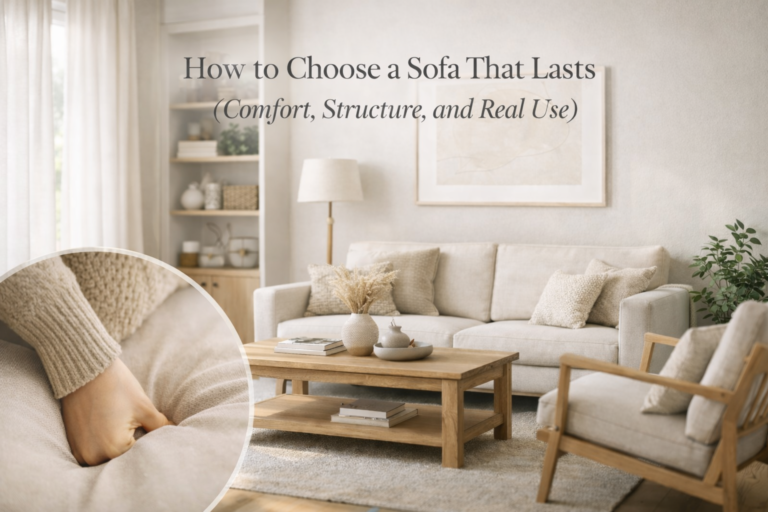
Comfort is often misunderstood as softness or visual warmth. In reality, it is structural.
Seat depth, back support, arm height, and material resistance all influence how furniture feels during extended use. Pieces designed with balanced proportions tend to support posture and movement more effectively than those focused primarily on appearance.
Over time, furniture usability over time becomes inseparable from comfort quality. Furniture that subtly supports the body encourages longer use, while poorly supported designs create fatigue even if they appear luxurious.
This explains why some furniture feels increasingly comfortable as materials adapt, while other pieces remain visually appealing but rarely used.
Scale and Proportion Affect Daily Interaction
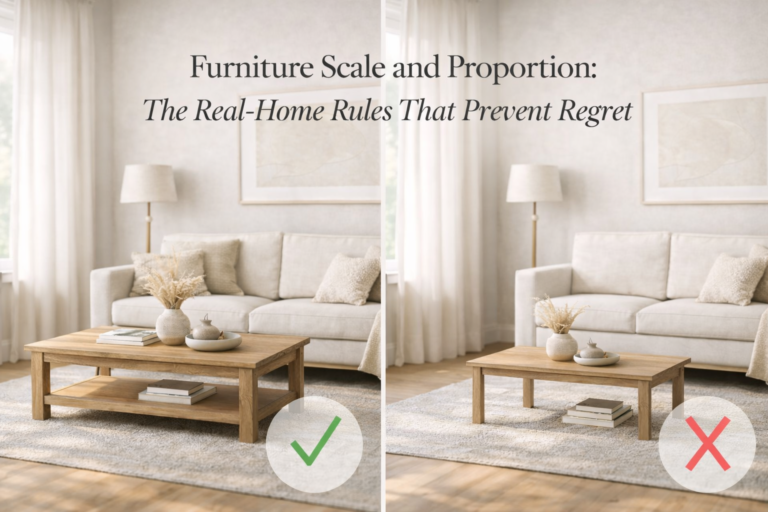
Furniture usability is also influenced by scale. A piece can technically fit a room while still feeling obstructive or dominant during daily use.
Large furniture in compact spaces may limit circulation. Tall storage in rooms with lower ceilings can feel visually heavy. Deep seating in narrow rooms often reduces flexibility.
These issues are not always obvious at the beginning. Over time, however, they directly affect furniture usability over time, as people adapt their movement patterns around furniture rather than using spaces naturally.
This relationship between scale and usability is explored further here:
https://furnituretraditions.net/furniture-proportions-in-real-homes
https://furnituretraditions.net/furniture-scale-in-real-homes
Usability Improves When Furniture Allows Adaptation
One of the most consistent findings in long-term furniture use is that adaptability matters more than perfection.
Furniture that can be repositioned, repurposed, or reconfigured tends to remain useful longer. Lightweight pieces, modular designs, and neutral forms accommodate changing needs without forcing replacement.
As lifestyles evolve, furniture usability over time depends on whether furniture can evolve as well. Homes rarely remain static, and furniture that allows adjustment ages more gracefully.
This adaptability is often underestimated during the buying phase but becomes critical once daily life takes over.
Materials Influence Long-Term Performance
Materials play a quiet but decisive role in usability. Over time, surfaces reveal whether they tolerate regular contact, friction, and environmental changes.
Wood develops patina. Upholstery relaxes. Finishes respond to light and touch. These changes affect not only appearance, but also how furniture feels and functions.
Understanding furniture usability over time requires accepting that materials respond to use. Pieces designed to age naturally tend to feel more integrated into a home than those that attempt to remain visually unchanged.
This material evolution is discussed in more detail here:
https://furnituretraditions.net/how-furniture-ages-in-real-homes
Why Usability Determines Long-Term Satisfaction
Long-term satisfaction rarely comes from visual impact alone. It emerges when furniture quietly supports daily activities without demanding constant attention or adjustment.
People often realize, in hindsight, that the most successful furniture choices were not the most dramatic ones. They were the pieces that allowed space to function smoothly.
This realization lies at the core of furniture usability over time. Furniture that integrates seamlessly into daily life becomes essential rather than noticeable.
Conclusion
Furniture proves its value slowly.
By focusing on furniture usability over time, it becomes clear that comfort, proportion, adaptability, and material behavior matter far more than first impressions. The most successful furniture choices are those that support real use without imposing limitations.
Furniture that works well over time does not compete for attention. It earns its place through reliability.
What does furniture usability over time mean?
It refers to how well furniture supports daily use, comfort, and movement after extended living, not just at the time of purchase.
Why does furniture feel different after a few months?
Because routines, posture, and movement patterns reveal strengths and weaknesses that aren’t obvious initially.
Is adaptable furniture better for long-term use?
Yes. Furniture that allows repositioning or repurposing tends to remain useful as needs change.
Does furniture usability improve with age?
Often it does, especially when materials and structure adapt naturally to regular use.