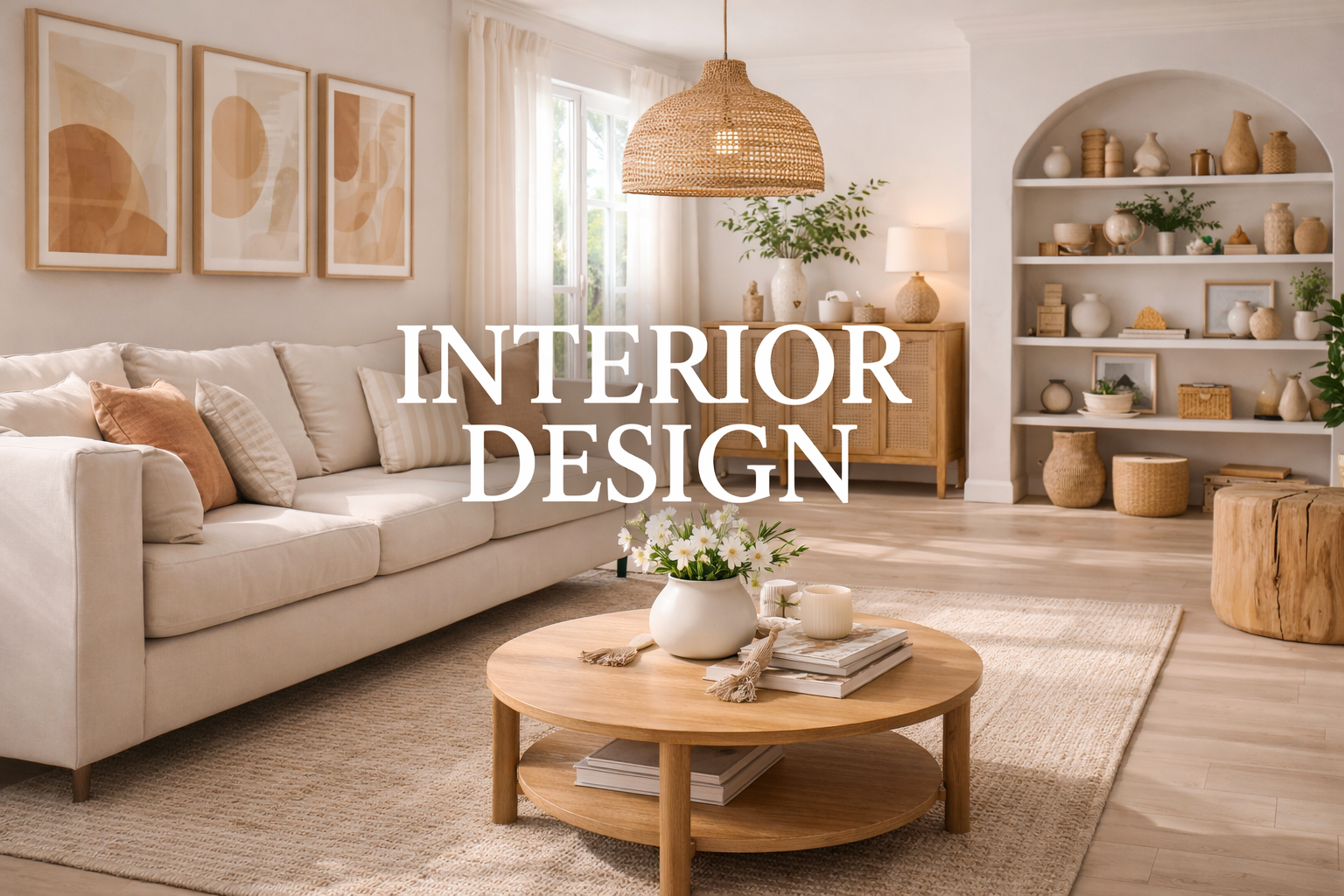
Interior Layouts and Daily Routines Shape How Spaces Actually Work
Interior layouts are usually designed around idealized behavior. Furniture is placed for symmetry, balance, and visual clarity. Daily routines, however, rarely follow these assumptions.
Interior layouts and daily routines interact continuously, and over time routines tend to take priority. This interaction explains why many interiors change even when the original design was carefully planned.
Understanding this relationship helps create layouts that remain functional beyond the initial setup.
Daily Use Challenges Static Layouts
Static layouts assume predictable movement and limited variation. Daily routines introduce repetition, multitasking, and unexpected use.
A hallway becomes a storage zone. A living area becomes a workspace. These shifts highlight how interior layouts and daily routines influence each other over time.
Layouts that allow flexibility tend to perform better than those that prioritize visual order alone.
Furniture Placement Evolves With Behavior
Furniture placement often changes in response to routine inefficiencies. A chair moves closer to activity, a table rotates to allow access, storage migrates toward convenience.
This gradual reorganization reflects how interior layouts and daily routines negotiate space. Design adapts to behavior, not the other way around.
Scale and proportion play a critical role here.
Related reading:
https://furnituretraditions.net/furniture-scale-in-real-homes
Why Flexible Layouts Age Better
Flexible layouts anticipate change. They leave room for movement, repurposing, and adjustment.
Over time, interior layouts and daily routines align more naturally in spaces that allow adaptation. Rigid layouts often require constant effort to maintain.
This is why long-term satisfaction is more closely tied to layout flexibility than initial aesthetics.
Conclusion
Interior design is an ongoing process.
When interior layouts and daily routines are considered together, spaces become easier to live in and less resistant to change.
Why do interior layouts change after move-in?
Because daily routines reveal practical needs that plans can’t fully predict.
Are layout changes a sign of bad design?
No. They often indicate healthy adaptation.
How can layouts support daily routines better?
By allowing movement, flexibility, and multipurpose use.