Furniture Looks Different in Real Homes Than in Showrooms
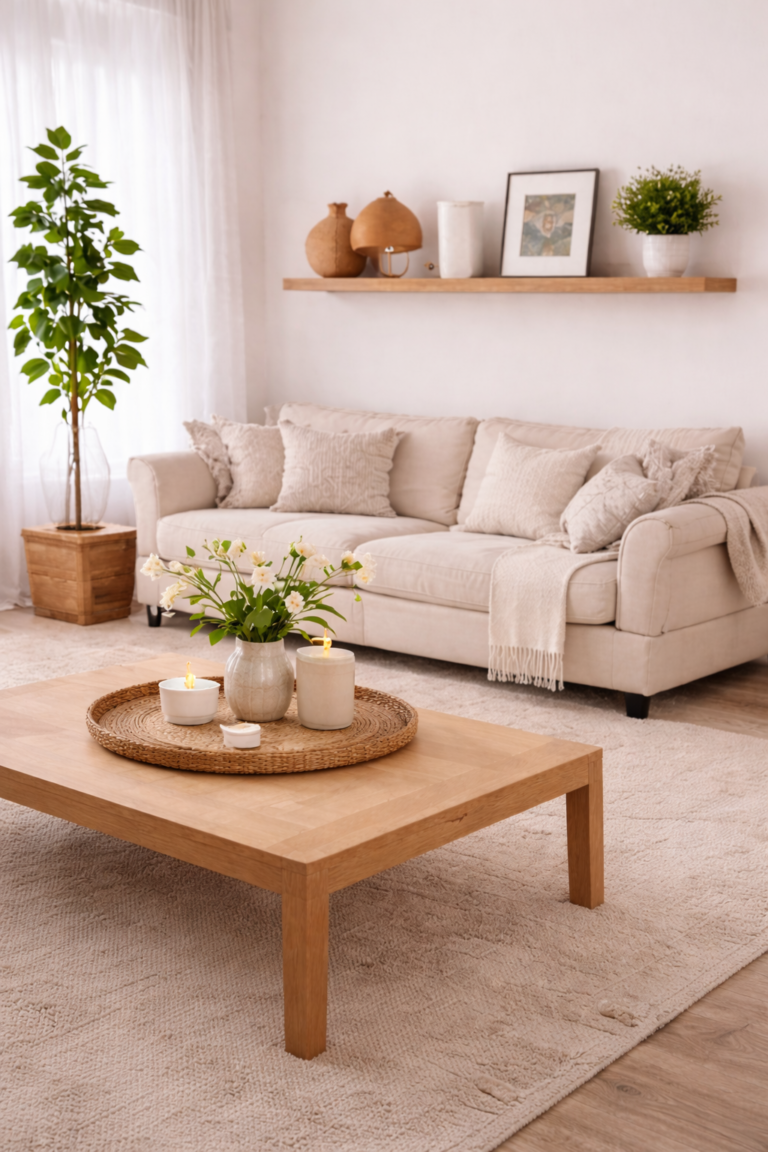
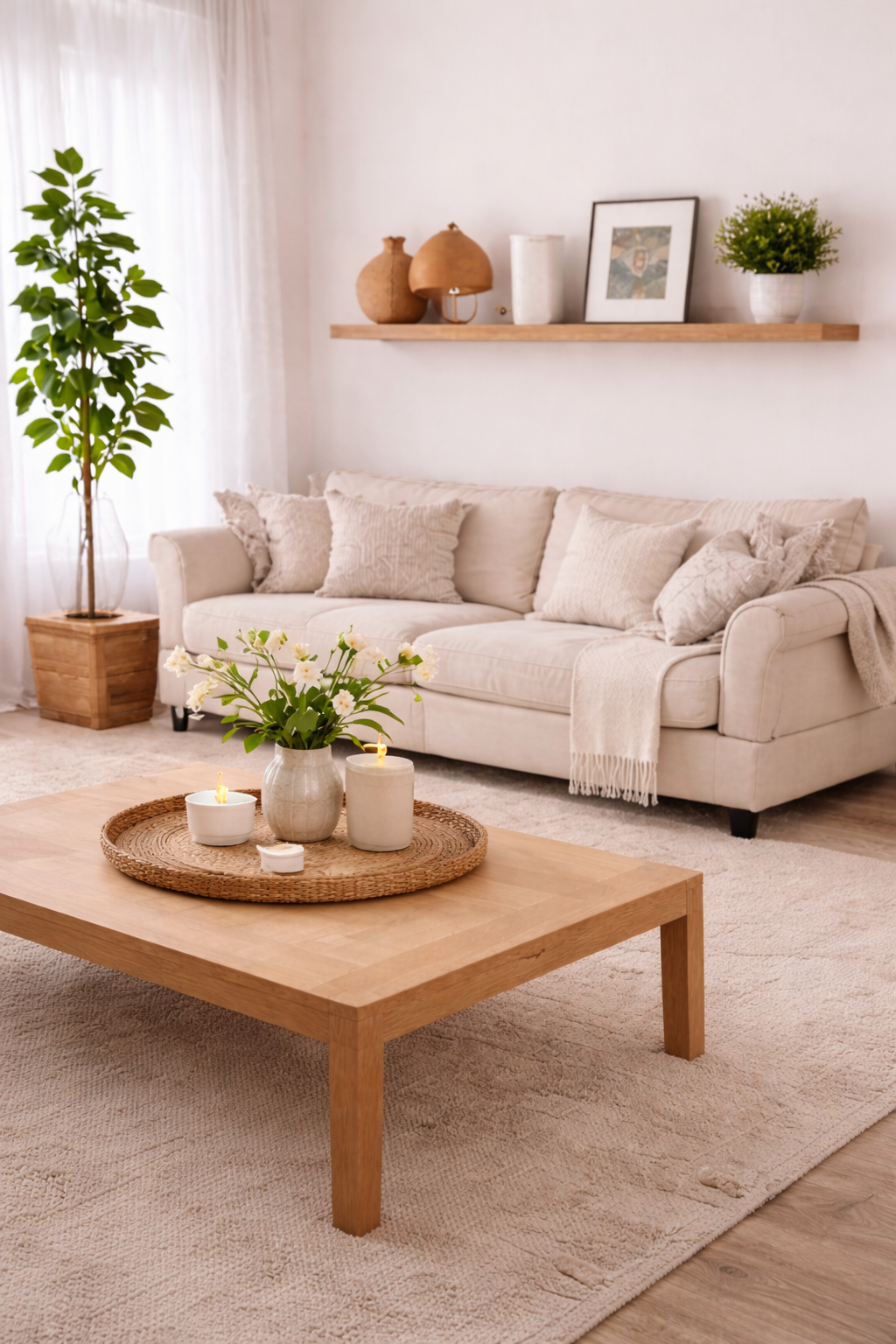
Furniture looks different in real homes because it interacts with natural light, real room proportions, and everyday living – not controlled showroom conditions. What feels perfectly balanced and polished in a store can appear heavier, darker, or less cohesive once placed in a real home.
This difference is not a design flaw. It’s a normal outcome of how furniture behaves in real residential spaces.
Understanding why furniture looks different in real homes helps set realistic expectations and leads to better long-term satisfaction.
Furniture Looks Different in Real Homes Because of Lighting
Showrooms use carefully planned lighting to enhance furniture:
- Neutral white bulbs
- Directional spotlights
- Even ambient illumination
In real homes, lighting is far less controlled. Natural daylight shifts throughout the day, bulb temperatures vary, and shadows fall unpredictably. Because of this, furniture looks different in real homes, especially when it comes to wood tone, fabric texture, and surface reflections.
Room Proportions Change How Furniture Is Perceived
Showrooms are intentionally spacious. Furniture is placed with generous clearance to create visual balance.
In real homes:
- Walls are closer
- Ceilings may be lower
- Other furniture competes for space
As a result, furniture looks different in real homes even when measurements match the specifications exactly. Visual scale matters as much as physical size.
Styling Is a Major Missing Factor
Furniture in showrooms is professionally styled:
- Rugs define boundaries
- Accessories soften edges
- Neutral surroundings reduce visual noise
At home, furniture must coexist with personal items, wall colors, and daily activity. Without showroom-style staging, furniture looks different in real homes simply because the visual context has changed.
Materials React to Real Living Conditions
Unlike showrooms, real homes introduce:
- Humidity changes
- Sunlight exposure
- Regular contact and movement
Over time, materials adapt. Wood warms in tone, cushions relax, and finishes lose their initial sharpness. This is why furniture looks different in real homes months after installation — and why that change is usually natural, not negative.
Why Furniture Looking Different Is Normal
Furniture is designed to live with people, not under perfect lighting.
When furniture looks different in real homes, it’s often because it’s adjusting to real use. Pieces that age naturally and respond to their environment tend to feel more authentic and comfortable over time.
Conclusion
Furniture showrooms present an ideal scenario. Real homes reveal reality.
When furniture looks different in real homes, the change is almost always environmental – not a quality issue. Knowing what to expect makes it easier to choose pieces that truly fit your space and lifestyle.
Why does furniture look different in real homes than in showrooms?
Furniture looks different in real homes because lighting, room size, styling, and daily use are uncontrolled compared to showroom environments.
Does lighting affect how furniture looks at home?
Yes. Changes in natural and artificial lighting significantly impact color, texture, and surface reflections.
Is it normal for furniture to change over time in real homes?
Yes. Materials naturally react to sunlight, humidity, and daily use, which can slightly alter appearance.
How can I avoid surprises when furniture arrives home?
Measure carefully, consider lighting conditions, and remember that furniture will always look different in real homes than in showrooms.