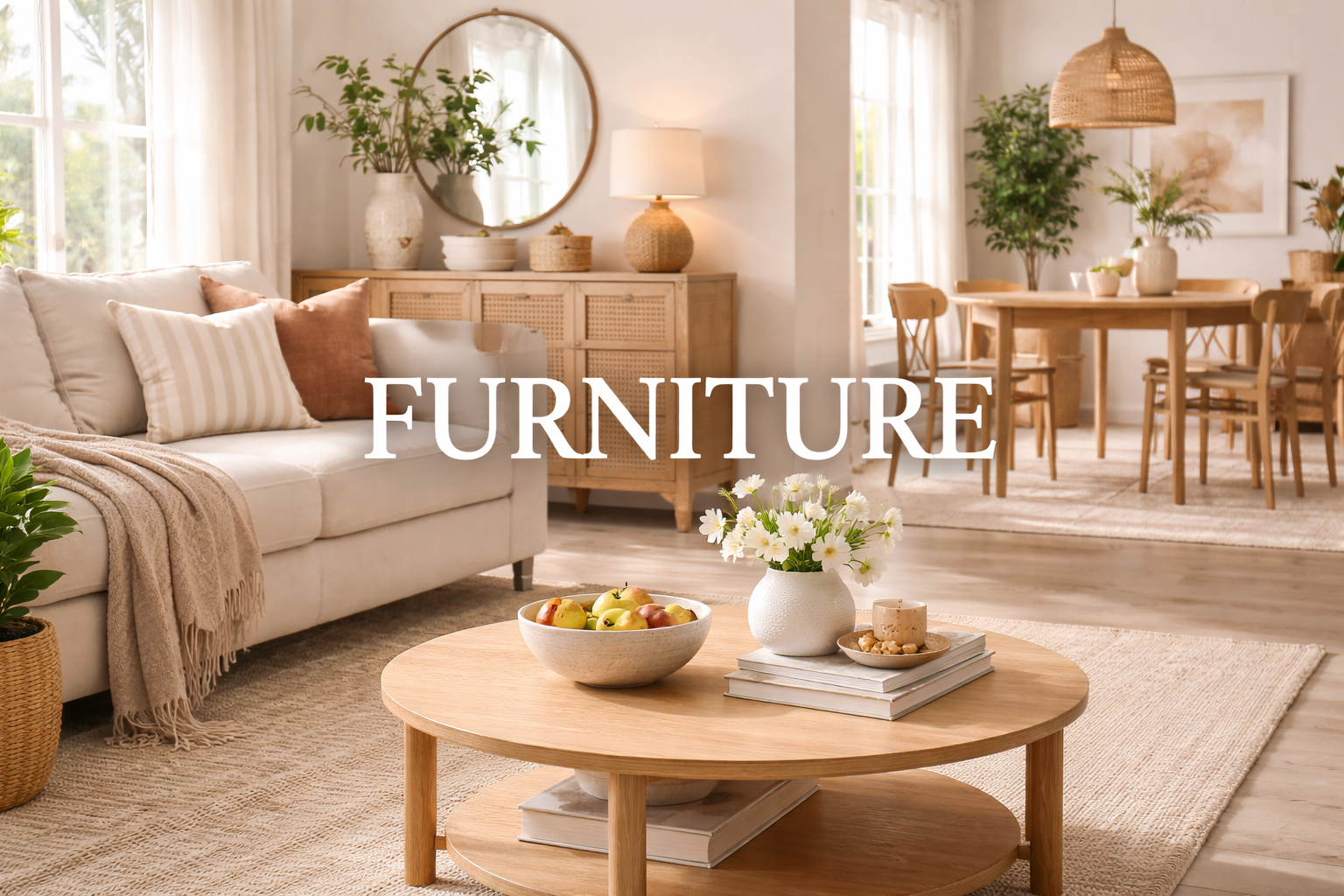
Long Term Furniture Satisfaction Is Built Through Use
Furniture satisfaction rarely comes from immediate impact. It develops through repeated interaction, comfort, and ease of use.
Long term furniture satisfaction depends on how well furniture integrates into daily routines and supports changing needs. Pieces that remain comfortable and practical tend to stay in place long after trends fade.
Understanding this helps explain why some furniture becomes essential while other pieces are replaced quickly.
Comfort Becomes the Dominant Factor
Over time, comfort outweighs visual appeal. Furniture that supports posture, movement, and relaxation earns continued use.
This gradual prioritization is central to long-term furniture satisfaction, as discomfort becomes increasingly noticeable with repetition.
Scale and Proportion Influence Endurance
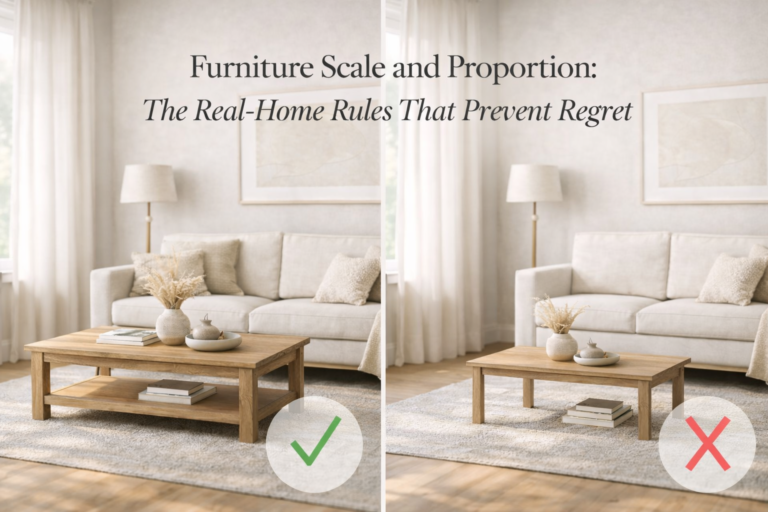
Furniture that feels oversized or restrictive often loses appeal. Balanced proportions allow furniture to coexist comfortably with surrounding elements.
Because of this, long term furniture satisfaction is closely tied to scale decisions made early on.
Related reading:
https://furnituretraditions.net/furniture-proportions-in-real-homes
Adaptability Supports Longevity
Furniture that adapts remains relevant. Modular pieces, movable seating, and neutral forms accommodate change without requiring replacement.
This adaptability is one of the strongest contributors to long term furniture satisfaction.
Conclusion
Furniture proves itself slowly.
When long term furniture satisfaction is the goal, usability, proportion, and adaptability matter more than immediate visual impact.
What defines long-term furniture satisfaction?
Comfort, usability, and adaptability over extended use.
Why do some furniture pieces lose appeal quickly?
Because they restrict movement or fail to support routines.
Can furniture satisfaction increase over time?
Yes, especially when furniture adapts well to daily use.