Real Home Interior Design Challenges Appear After Moving In
Real home interior design challenges usually don’t show up during planning or inspiration stages. They appear once people begin living in the space.
Designs that look calm and balanced on paper often feel busy, dark, or restrictive in everyday use.
Understanding common real home interior design challenges makes it easier to design spaces that work beyond aesthetics.
Real Home Interior Design Challenges Come From Daily Use
Interior design plans assume ideal behavior. Real homes are messy, active, and personal.
Items accumulate, furniture shifts, and rooms serve multiple purposes. Because of this, real home interior design challenges are often functional rather than visual.
This is why staged interiors rarely translate perfectly into lived spaces.
Layout Assumptions Often Fail in Real Homes
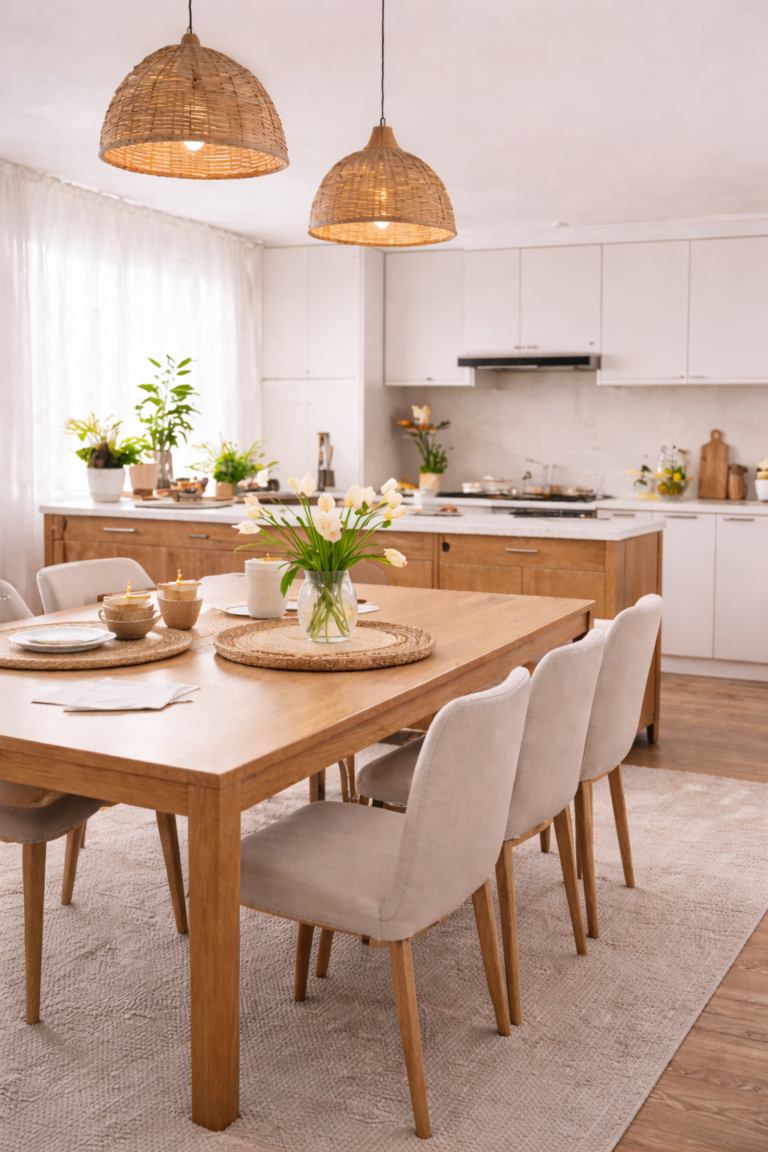
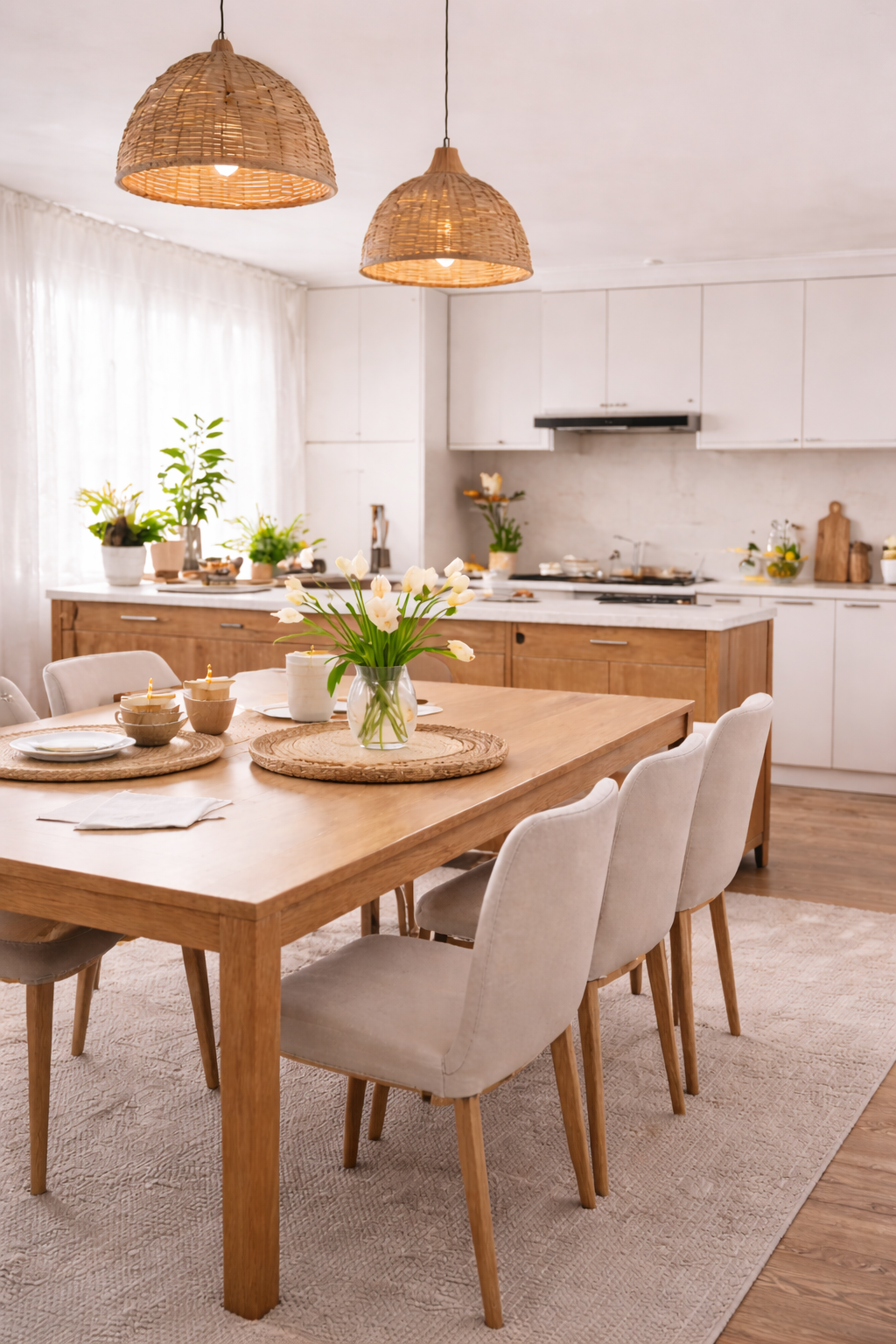
Many design concepts are built around clean symmetry and clearly defined zones. In styled photos and showroom layouts, everything feels balanced, intentional, and easy to replicate. But real homes rarely behave like that.
In everyday spaces, the room itself often sets the rules. Awkward wall lengths, radiator placement, door swings, and poorly positioned outlets quietly dictate what can and can’t work. Even a layout that looks “right” at first glance can start to feel frustrating once daily life begins especially in homes where one room has to do multiple jobs.
A living room might need to function as a lounge, a workspace, and a family gathering space all at once. A dining area might double as a homework zone or a place where clutter naturally collects. These are not design failures. They are simply the realities of modern living, and they explain why interior design challenges often appear even in spaces that are thoughtfully decorated.
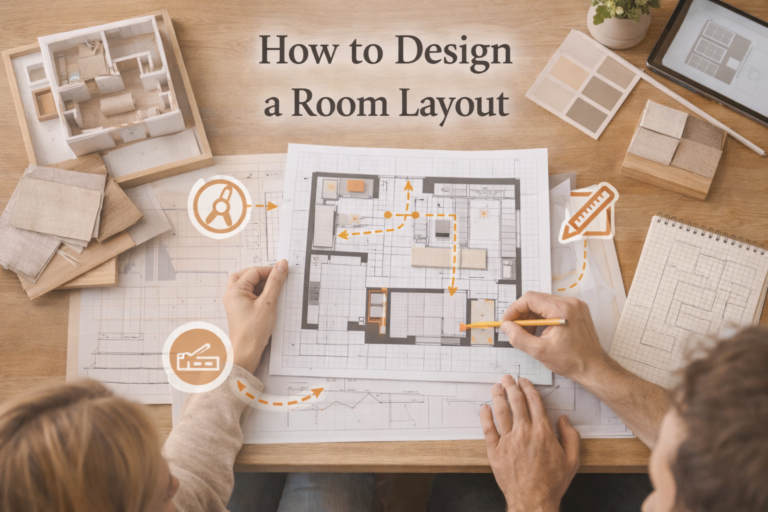
What ultimately makes or breaks a layout is not the idea on paper, but the way furniture interacts with movement and routine. If the placement restricts circulation, interrupts natural pathways, or makes seating feel disconnected, the room will never feel effortless no matter how beautiful the pieces are.
That’s why it’s so useful to understand how furniture fits real homes before committing to a final arrangement, especially when comfort and long-term usability matter more than visual perfection.
Conclusion
Interior design doesn’t fail in real homes – it adapts.
Recognizing real home interior design challenges helps shift focus from perfection to livability.
Why do interior designs feel different after moving in?
Because daily life introduces movement, clutter, and functional needs.
Are interior design challenges a sign of bad planning?
Not necessarily. Many challenges only appear through real use.
Can interior design improve over time?
Yes. Small adjustments often make spaces feel more natural and comfortable.