Furniture in Real Homes: What Actually Matters After Moving In
Furniture in real homes is experienced very differently than furniture in catalogs, showrooms, or styled photos. While most buying decisions are based on how furniture looks in ideal conditions, real homes quickly reveal what truly matters: comfort, scale, movement, and adaptability.
Once furniture becomes part of everyday life, visual impressions are replaced by lived experience. This transition explains why furniture that once felt perfect can feel slightly off – or surprisingly right – after a few weeks of use.
Understanding how furniture in real homes actually works helps people make better decisions and avoid common frustrations.
Furniture in Real Homes Interacts With Space, Not Just Size
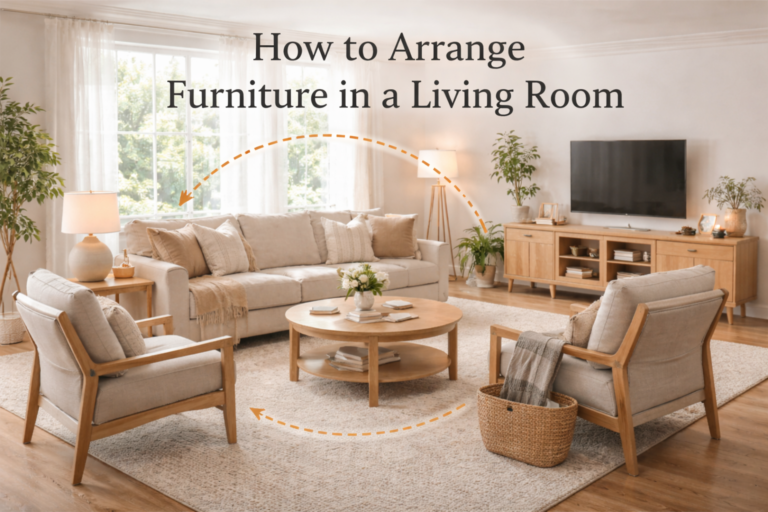
Furniture doesn’t exist in isolation. In real homes, every piece has to coexist with walls, windows, walkways, and the other furniture already in the room. That’s why “perfect measurements” don’t always translate into a space that feels comfortable.
A sofa can technically fit a wall and still feel oversized if it interrupts circulation, blocks natural light, or forces the room into an awkward layout. In the same way, a dining table can meet all the size guidelines but still feel too dominant if it reduces breathing room around chairs or makes movement feel restricted.
Interestingly, slightly smaller pieces often feel more luxurious in real life, not because they look better on their own, but because they allow the room to function more naturally. They create visual openness, improve flow, and make the space feel calmer without sacrificing comfort.
This is why furniture choices should always be evaluated as part of a system, not as individual objects. Understanding how furniture fits real homes and how furniture proportions behave in real spaces can make the difference between a room that looks good in theory and one that genuinely works day after day.
Daily Use Changes How Furniture Is Perceived
Showrooms show furniture at rest. Real homes show furniture in motion.
Chairs are pulled out daily. Tables collect items. Sofas become gathering points. Over time, furniture reveals how well it supports routines, habits, and comfort.
Because of this, furniture in real homes often feels different after a month than it did on day one. This is not a flaw – it’s feedback.
Furniture that adapts well to daily life tends to feel better over time, even if it looked less impressive initially.
Light and Environment Shape the Furniture Experience
Lighting plays a much bigger role in furniture perception than most people expect. A piece that looks perfectly balanced in a showroom can feel completely different once it’s placed in a real home, simply because the lighting conditions are no longer controlled.
Natural light shifts throughout the day, changing the way colors read and how textures appear. Morning light can make wood tones look cooler and softer, while late afternoon light often brings out warmth and depth. Artificial lighting adds another layer of variation. Different rooms, bulb temperatures, and fixture placement can make the same fabric look richer, darker, or more textured than it did online.
This is why furniture often feels “different” at home, even when the product itself is exactly as advertised. The environment is doing part of the styling.
Beyond light, real homes also introduce physical conditions that affect materials over time. Humidity and temperature changes can subtly influence wood movement, finish behavior, and even upholstery feel. In homes with higher humidity, wood may expand slightly and fabrics can feel heavier, while very dry indoor air can make certain materials feel stiffer or more brittle.
For a deeper explanation of these effects, it helps to read our guide on why furniture looks different in real homes especially if you’re planning a space where long-term comfort and material aging matter as much as initial appearance.
Why Comfort Becomes More Important Than Appearance
Over time, priorities shift.
In real homes, comfort often outweighs visual perfection. Furniture that supports relaxation, conversation, and movement becomes more valuable than furniture that simply looks good.
This shift is one of the defining characteristics of furniture in real homes – the move from aesthetic judgment to lived satisfaction.
Conclusion
Furniture succeeds when it supports real life.
When thinking about furniture in real homes, the most important factors are adaptability, scale, and daily comfort – not showroom appearance.
What makes furniture different in real homes?
Furniture interacts with movement, lighting, and daily routines that don’t exist in showrooms.
Should furniture feel perfect immediately?
Not always. Many pieces improve in comfort and usability over time.
Is smaller furniture better for real homes?
Often yes, because it allows flexibility and better flow.