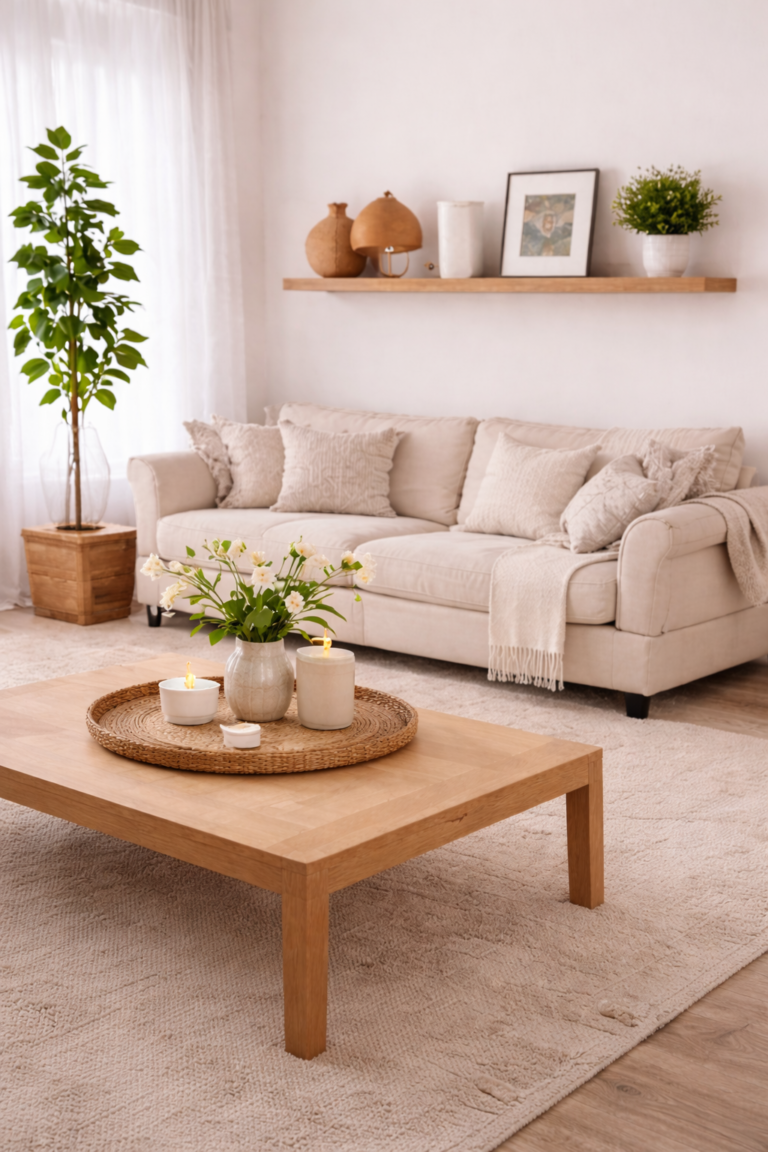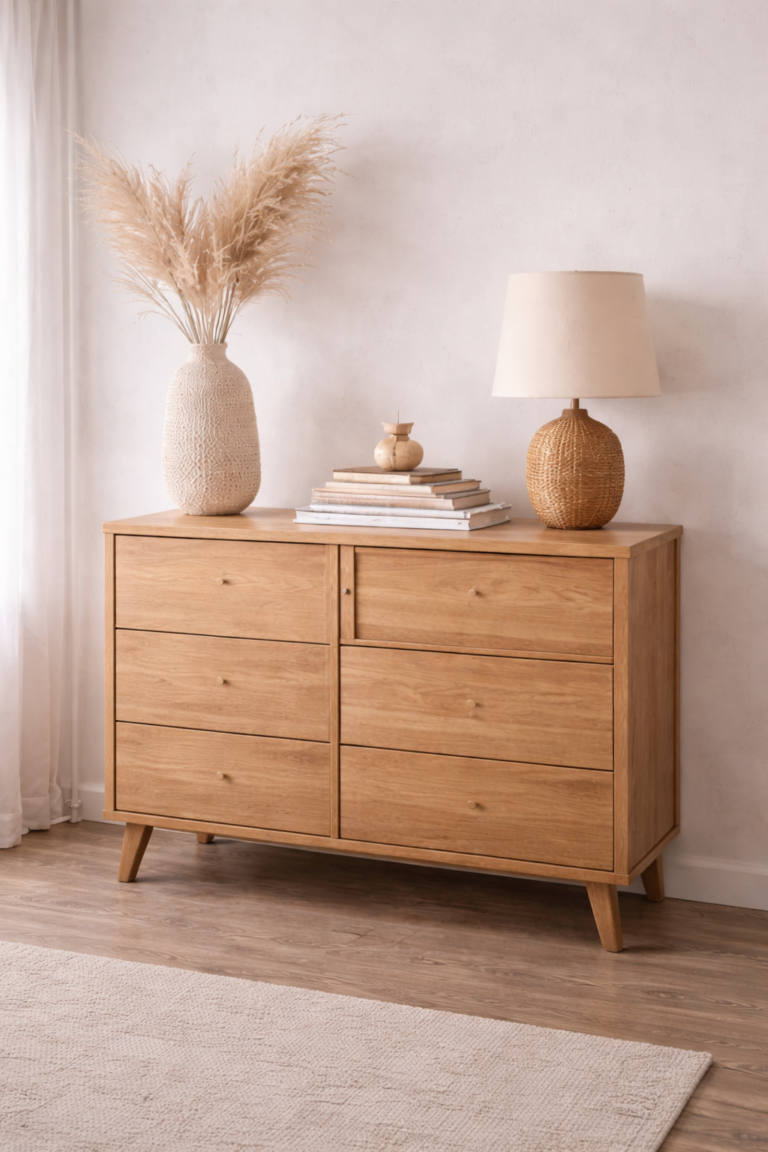

How Furniture Adapts to Daily Life Over Time
Furniture is often chosen with a fixed image in mind. A sofa belongs in a specific spot, a table has a defined purpose, and storage is expected to behave predictably. Yet once furniture becomes part of daily routines, its role begins to shift.
How furniture adapts to daily life is not something most people consider during the buying phase. It becomes visible only after weeks of use, when habits replace intention and spaces start responding to real behavior rather than planned layouts.
This adaptation process explains why some furniture remains useful for years, while other pieces feel outdated or inconvenient surprisingly quickly.
Daily Habits Redefine Furniture Function
In practice, furniture rarely serves a single purpose. Dining tables become work surfaces, chairs are moved between rooms, and sofas absorb far more activity than originally anticipated.
As these habits settle, how furniture adapts to daily life becomes evident. Furniture that allows movement, flexibility, and informal use tends to integrate naturally. Furniture that resists adaptation often creates friction.
This is why usability and layout compatibility matter more than perfect initial placement.
Related reading:
https://furnituretraditions.net/furniture-usability-over-time
Movement and Circulation Shape Long-Term Use
Furniture must coexist with movement. Walking paths, door clearance, and shared spaces gradually influence how pieces are positioned and used.
Over time, furniture that obstructs circulation is adjusted or avoided. This physical negotiation is a key factor in how furniture adapts to daily life, as spaces evolve around what feels intuitive rather than visually ideal.
Furniture that accommodates movement tends to remain relevant longer.
Related reading:
https://furnituretraditions.net/how-furniture-fits-real-homes
Adaptation Happens Gradually, Not Immediately
Furniture adaptation is subtle. Small adjustments accumulate until the original layout no longer exists.
A chair is pulled closer to light. A table shifts to allow better access. Storage is reorganized. These changes reflect how furniture adapts to daily life through repeated interaction rather than conscious redesign.
Furniture that tolerates this evolution without losing functionality often becomes indispensable.
Conclusion
Furniture succeeds when it responds to use, not when it enforces rigidity.
Understanding how furniture adapts to daily life helps explain why flexible, well-proportioned pieces outperform visually strict designs over time.
What does it mean for furniture to adapt to daily life?
It means furniture supports changing habits, movement, and routines without constant correction.
Why does furniture placement change over time?
Because daily use reveals more practical arrangements than initial layouts.
Is adaptable furniture always better?
In most cases yes, especially in spaces with evolving needs.